
RDN Share


Earlier in the year, RDN Health held its South Western Sydney Outreach Regional Meeting at Tharawal Aboriginal Medical Service in Airds, bringing together the Local Health District (LHD), Primary Health Network (PHN), Aboriginal medical services and other significant stakeholders in the region to help plan for the 2026-2027 financial year.
RDN Health took the opportunity to yarn with representatives of Aboriginal health organisations in the district to reflect on how Federally funded Outreach investment can assist in outer-metro areas, which can share some of the health access challenges of rural areas.
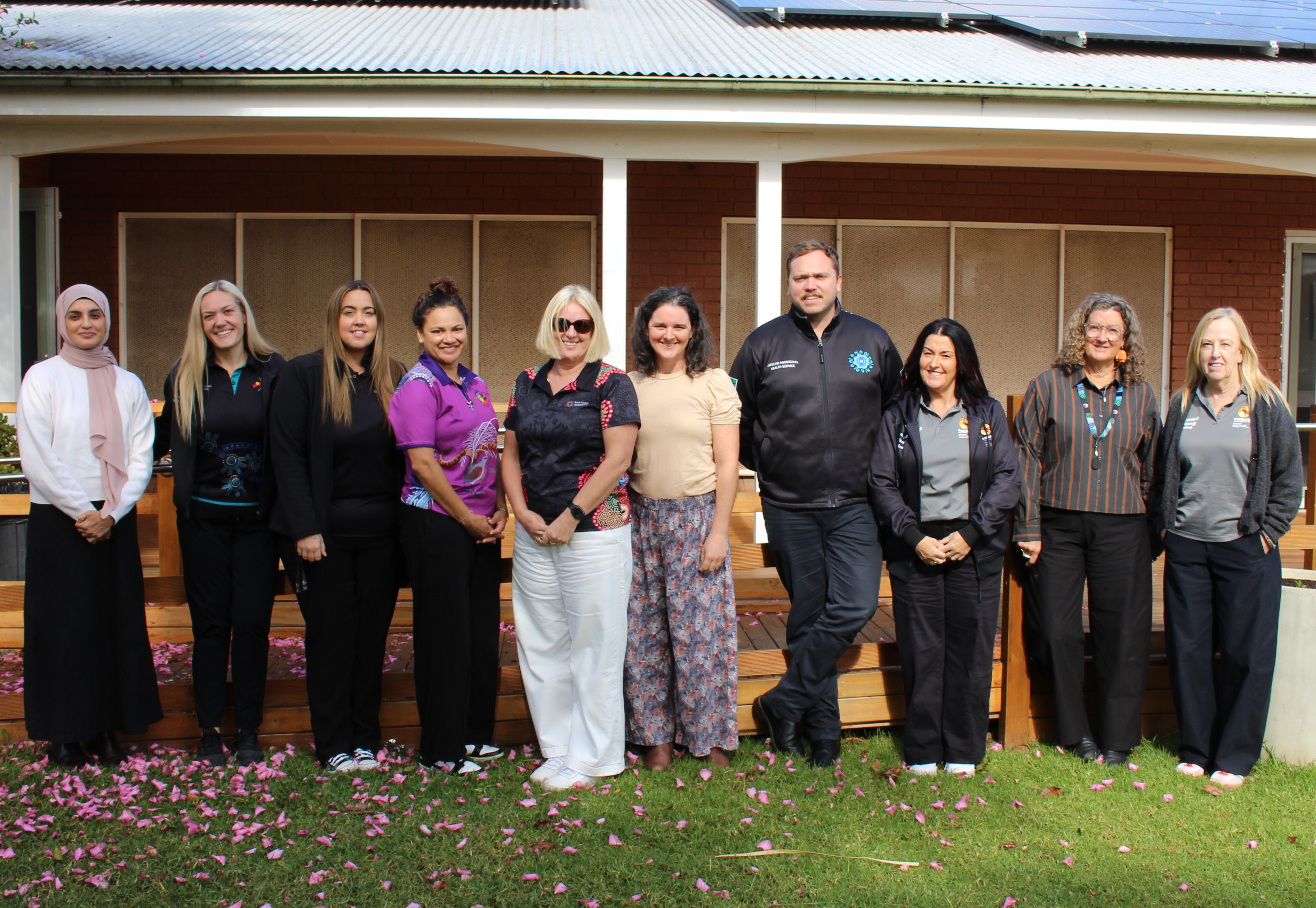
"Even just getting to and from appointments with people – a lot of families, bigger families, don’t have a car to get around," said Program Director Health at Gandangara Local Aboriginal Land Council, Kelly Nichols.
"[Outreach] funding to have a specialist on site [helps because] if [patients] are coming to see a GP, they can also see a range of specialists there, so it's holistic care at one site - they don’t have to travel around... It’s then a coordinated plan with the GP and the specialist," she said.
"With RDN Health, when they’re supplying a service, for example an ENT service, and there’s been a need for so long, it’s amazing to see the take up of that straight away by the community, because they already trust our medical service and our team...
"Aboriginal patients don’t want to go see a GP anywhere, but once they get to know a certain team, they are willing to do whatever is required, and that’s a big difference because they are getting that care earlier on in their diagnoses. Trust is key."
The sentiment was echoed by Tharawal Practice Manager Tallulah Mundine. "A lot of our people prefer not to go through mainstream; they prefer to come to their Aboriginal Medical Service where it’s culturally appropriate," she said.
"To negotiate with private specialists coming to community-based health organisations... without RDN Health, I don't think we would have been successful," she said.
In her 16 years at Tharawal, Tallulah has seen the number of visiting specialists grow from 16 to 28 and is passionate about encouraging more people to get involved in Aboriginal health.
"Aboriginal Medical Centres are needed," she says. "People are still significantly behind in life expectancy. There's a lot of work to be done. You’re not going to ever understand it unless you are there at the grassroot level. Don't be a part of the problem, be a part of the solution."